What Counts as High Mileage for a Used Car?

High mileage often starts around 100,000 miles or more, but age, service history, and use pattern matter too.

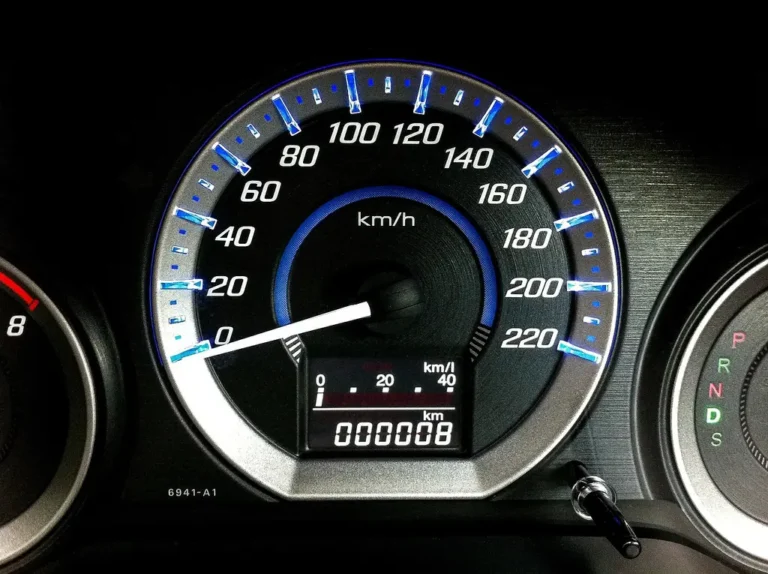
High mileage often starts around 100,000 miles or more, but age, service history, and use pattern matter too.

Use mileage intervals and your owner’s manual to plan oil changes, tire rotations, filters, spark plugs, and fluids, especially when service records are incomplete.

Squealing on startup usually means a slipping belt, but the cause can be wear, contamination, tension loss, or a dragging pulley.

Use the manufacturer schedule first; if records are missing, start with oil every 5,000–7,500 miles, then check filters, brakes, and timing belts.

Use the VIN to pull a vehicle history report before you buy, then check title status, odometer readings, damage records, liens, and recalls.

Use a 32nds-of-an-inch gauge and take three readings across each tire to spot wear, compare all four tires, and know when to replace them.

Transmission fluid lubricates gears, cools internal parts, and helps automatic transmissions shift. This guide explains those jobs and the warning signs of trouble.
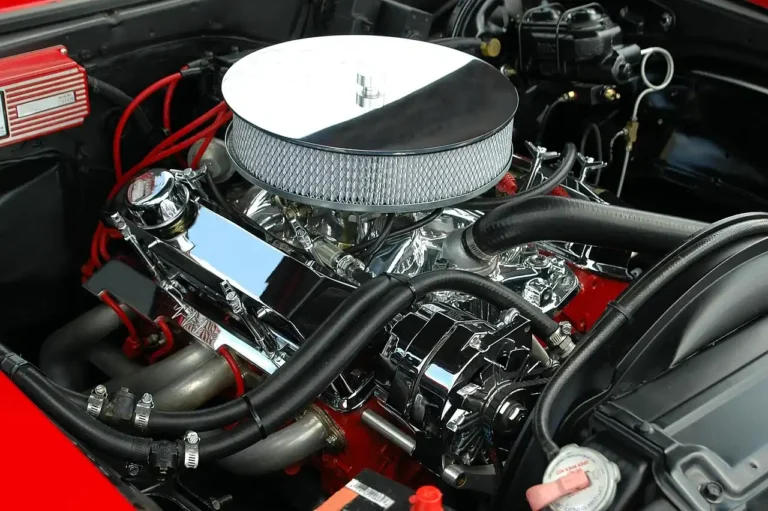
Blue-gray exhaust, rising oil use, oily plugs, and tailpipe residue can mean your engine is burning oil. Learn the quick checks that separate burning from leaks.

Corrosion at the battery terminals can add resistance, drop starter voltage, and cause slow cranking or a no-start.

Maintenance records help verify mileage, service history, and seller claims. Learn which gaps matter most before you buy a used car.