Can I Drive with the Oil Pressure Light on?

If the red oil pressure light stays on with the engine running, shut the engine off within seconds. This guide explains when to stop, tow, or diagnose before moving.

If the red oil pressure light stays on with the engine running, shut the engine off within seconds. This guide explains when to stop, tow, or diagnose before moving.
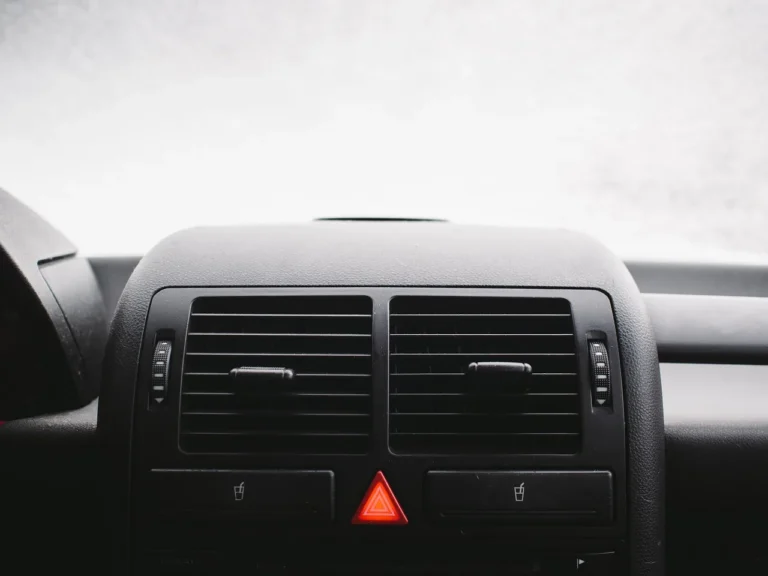
A steady check engine light with normal driving usually means a stored fault, not an immediate breakdown. This guide covers quick triage, code reading, and warning signs that still need prompt diagnos

Look for uneven wear, steering pull, or vibration, then compare tread depth across all four tires to decide if rotation is due.
Use the driver-door sticker for normal driving. The sidewall number is the tire’s maximum, not the vehicle’s recommended PSI.

Conventional oil is typically changed every 3,000 to 5,000 miles, or once a year at low mileage, with shorter intervals for severe service.

A healthy 12-volt battery should read about 12.6 volts with the engine off. Below 12.4 volts, charging or testing is usually next.

Slow cranking, dim lights, repeated jump-starts, and rapid clicking are common weak-battery signs, especially after the car sits.
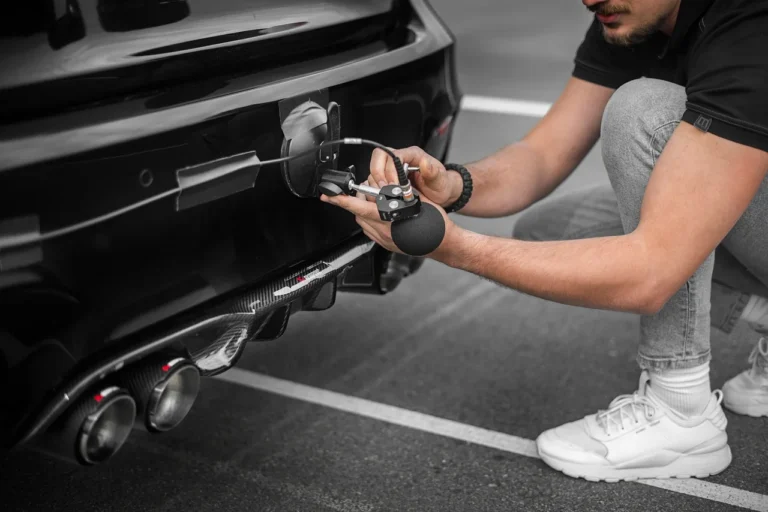
Inspect a used car yourself in 15 minutes with a fixed order: walkaround, tires, fluids, lights, interior, start-up, and a short drive.

High mileage is usually normal wear if maintenance records are solid and repairs are current. Problems start when wear items keep failing.

Use whichever comes first: mileage or time. Many services use 5,000–7,500 miles or 6–12 months, and low-use cars need time-based service too.