Do I Need a Mechanic Inspection for a Used Car?

Yes, pay for an independent mechanic inspection on any used car unless it’s a low-risk, dealer-certified purchase with a recent, documented inspection and return window. Skipping it can leave you stuck with hidden crash damage, worn brakes, leaks, or repairs that cost far more than the inspection fee. This guide shows when the inspection is mandatory, when it is optional, and which findings mean walk away, renegotiate, or buy.
Why should you get one?
A pre-purchase inspection happens before you finalize the deal. It is meant to catch hidden mechanical and structural problems a quick walk-around can miss, and it gives you bargaining power when the report shows needed repairs. Consumer Reports says to take any used car you’re considering to a mechanic before finalizing the deal, and frames that step as protection against costly repairs and mechanical risks.

That matters because a car can look clean and still hide engine faults, transmission slip, frame repair, or flood damage. A seller may also present a recent inspection that only covers a limited set of items. An independent mechanic answers the buyer’s question: what will cost money soon, what is normal wear, and what should stop the purchase.
What you’ll need
- VIN and the vehicle history report
- Service records, repair receipts, and recall status
- Seller contact information for follow-up questions
- A shop appointment with an independent mechanic
- Payment ready only after the report is reviewed
Do I need a mechanic inspection for a used car before buying?
For most used cars, yes. A mechanic inspection is close to mandatory when the vehicle is older, has high mileage, shows uneven wear, has no strong service history, or comes from a private seller. It is also a must when the price is high enough that one major repair would erase the deal. The same source notes some private sellers may not allow a mechanic inspection, which is a warning sign on its own.

A seller-provided inspection is not the same thing as an independent pre-purchase inspection. A dealer-arranged check may be useful, but it is not fully independent and may not cover hidden body damage, flood signs, or module history. Mobile Mechanic Pros Aurora says its checklist includes hidden body and frame issues, diagnostics on various error codes, flood damage checks, fire damage checks, and inspection of engine, transmission, brakes, suspension, steering, exhaust, and underbody rust. Car Inspectors adds that modern inspections use OBD-II tools to pull stored computer history, and that pending codes can exist before a dashboard warning light appears.
What the mechanic should check
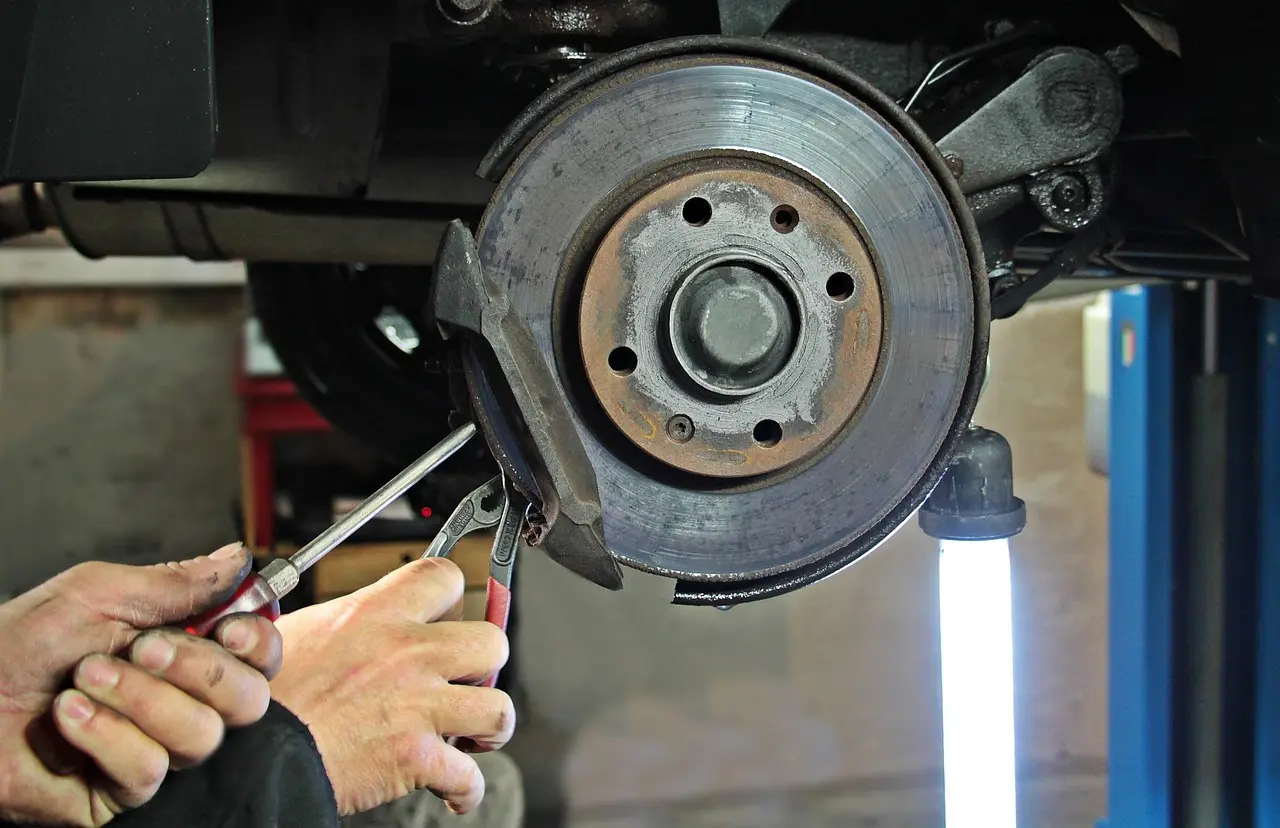
The report should cover the systems most likely to create large bills after purchase. That means engine health, transmission behavior, brakes, suspension, steering, fluid leaks, tires, lights, and safety equipment. It should also include an OBD-II scan, warning light history, and a road test that checks acceleration, braking, steering pull, noise under load, and highway-speed behavior.
Structural integrity matters just as much. Paint mismatches, overspray, rust, panel-gap changes, frame damage, and accident repair signs can point to deeper problems. A digital paint thickness gauge can reveal body filler and repainting, and that finding can change the deal fast.
What a pre-purchase inspection report should include
The report should be written so you can act on it. It should identify each finding, describe the likely cause, state whether the issue looks normal, negotiable, or serious, and estimate the repair range when possible. It should also note any pending codes, cleared warning lights, visible rust, fluid leaks, tire wear patterns, and signs of previous body repair.
Ask for a clear statement on whether the car is safe to drive now, whether it needs immediate repair, and whether more diagnosis is needed. If the report only says “needs attention,” it is not enough. You need enough detail to decide whether to buy, renegotiate, or walk.
Can I buy a used car without an inspection?
Yes, but only in narrow situations. Skipping the inspection can be reasonable on a low-risk purchase with recent independent paperwork, a return window, strong service records, clean history reports, and no warning signs on the road test. It is also more defensible on a lower-cost car where the inspection fee would be a large share of the expected repair value, though that is still a gamble.
It is a hard no when the seller blocks inspection, when the title history is unclear, when there are signs of flood, fire, or crash repair, or when the car has dashboard lights that were recently cleared. If the seller says the car is “perfect” but will not allow a mechanic to verify it, treat that as risk, not convenience.
Why a dealer inspection is not the same
A dealer inspection can help, but it is not fully independent unless the dealer gives you a recent written report from a shop with no stake in the sale. Ask who paid for it, what systems were checked, and whether the scan data is attached. If the report is vague or old, budget for your own inspection anyway.
How much does a used car inspection cost?
Cost depends on vehicle complexity, local labor rates, and how much diagnostic work the car needs. FirstCars recommends a pre-purchase inspection from an independent mechanic for $100-200. Mobile Mechanic Pros Aurora says used-car inspection price generally ranges from $120 to $230. That range is easy to justify when the car could hide brake work, tire replacement, fluid leaks, or transmission faults.
Price should be weighed against repair exposure, not against the sticker price alone. A compact sedan with clean records may need less time than a luxury SUV with multiple modules, adaptive systems, and complex driveline hardware. A higher inspection fee is still small when compared with a missed flood car, frame damage, or a transmission issue.
How long does a used car inspection take?
Mobile Mechanic Pros Aurora says the inspection time is usually between 1.5 and 3.5 hours. That window makes sense because a proper check includes visual review, scan-tool diagnostics, a road test, and time to lift the car or inspect the underside. If the shop promises a rushed look in 20 minutes, that is not enough for a buying decision.
Use that timing to plan the purchase. Book the inspection before money changes hands, not after a deposit is nonrefundable. If the seller will not hold the car long enough for the inspection, that is useful information.
What are red flags during a used car inspection?
Some findings are normal wear. Others mean the deal should stop immediately. Flood signs, frame rust, structural repair, repeated pending codes, major transmission slip, and a check engine light that was recently cleared are serious enough to walk away from unless a specialist can prove the issue is minor. Brake wear, one set of tires near the end of life, or a small oil seep are usually negotiable if the rest of the car is sound.

| Finding | Severity | Likely repair cost band | Buyer action |
|---|---|---|---|
| Flood signs | High | $2,000 and up | Walk away |
| Frame rust with scaling | High | $1,500 and up | Walk away |
| Frame damage or uneven structure | High | $2,500 and up | Walk away |
| Airbag deployment evidence | High | $1,000 and up | Walk away |
| Transmission slip | High | $1,500 to $4,000+ | Walk away or require specialist diagnosis |
| Pending codes with no explanation | Medium to high | $100 to $2,000+ | Renegotiate or get follow-up diagnosis |
| Check engine light recently cleared | High | $100 to $2,000+ | Walk away until verified |
| Uneven tire wear | Medium | $400 to $1,500 | Renegotiate |
| Brake pads near limit | Medium | $250 to $800 | Renegotiate |
| Oil or coolant leak | Medium | $150 to $1,200 | Renegotiate or diagnose further |
| Paint mismatch and overspray | Medium to high | $300 to $3,000+ | Renegotiate or walk away if accident repair is likely |
| Missing service history | Medium | Varies | Renegotiate or pass if combined with other faults |
Say your scan tool shows a pending misfire code, but the dashboard is clear. That is not a clean bill of health. Pending codes can sit in memory before a warning light appears, so the car needs a fuller diagnosis before you buy.
Suppose the car tracks straight on surface streets, but the steering wheel shudders at highway speed and the front tires show inner-edge wear. That points beyond simple alignment. It may be a suspension, tire, or steering issue, and the repair can change the price enough to justify a new offer.
Step-by-step buyer checklist
- Review the vehicle history report, service records, recall status, and odometer consistency before you visit.
- Inspect the car in daylight on level ground, then look for paint mismatch, overspray, rust, panel gaps, fluid leaks, and tire wear.
- Take a road test that includes city speeds, braking, a few turns, and highway-speed cruising.
- Book the inspection before money changes hands, and use an independent mechanic rather than a seller-arranged check.
- Review the report line by line, then decide whether to buy, renegotiate, or walk away.
Common mistakes
One mistake is trusting the seller’s word when the scan tool has not been used. Another is ignoring flood, rust, or frame clues because the paint still shines. A third is paying a deposit before the report is finished. If the seller rushes you, step back.
Another common miss is treating minor faults as harmless without adding them up. A car with worn brakes, old tires, a leak, and pending codes is not a bargain. It is a stack of near-term bills.
Prevention is simple: insist on an independent inspection before final payment, and keep the deal conditional on a clean report or an agreed price adjustment.
Frequently asked questions
What does a used car inspection include?
At minimum, it should cover engine health, transmission behavior, brakes, suspension, steering, fluid leaks, tires, lights, and safety equipment. It should also include an OBD-II scan, a check for pending codes, and a look for rust, frame damage, paint mismatch, overspray, and accident repair signs.
Can a dealership inspection be trusted on a used car?
It can be useful, but it is not fully independent. Ask whether the report came from a separate shop, what was scanned, and whether the dealer paid for it. A buyer should still get an outside opinion when the car is expensive, the history is unclear, or the report is thin.